
The House Always Wins? Why Smart Players Still Show Up
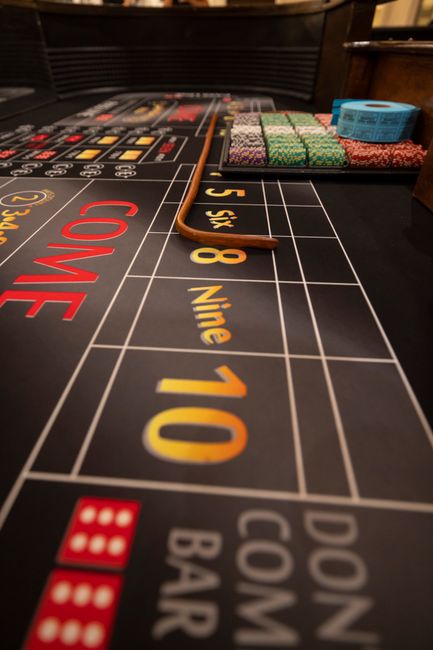
Every casino floor tells the same joke, just with different carpet. The slots near the entrance are calibrated to feel generous, the cocktail waitress appears right when your luck turns, and somewhere a man in a polo shirt is explaining to his wife that he's "due" on the progressive jackpot. He isn't due. Nobody is due. And yet he'll be back next Tuesday, because the house doesn't just sell games — it sells a feeling.
I've spent the better part of a decade watching people play, win, lose, and occasionally walk away with more than they came in with. The differences between the winners and the donors aren't luck. They're structural. It's how they choose games, how they size bets, and — most importantly — how they think about the math they're walking into.
The House Edge Isn't a Bug, It's the Product
Let's start with the uncomfortable truth nobody puts on the banner ads. Every game in a casino has a built-in mathematical advantage for the operator, and that advantage is the entire business model. The lights, the comps, the free drinks, the loyalty tier that gets you a limo to the airport — all of it is paid for by the difference between true odds and payout odds.
The size of that difference varies wildly, and knowing it is the single most useful piece of knowledge a player can carry: A detailed guide is available at v88.ru.com.
- Blackjack (basic strategy): roughly 0.5% house edge. Playable.
- Baccarat (banker bet): about 1.06%. Quietly one of the best bets on the floor.
- European roulette: 2.7%. American roulette with the double zero? 5.26% — literally double the tax.
- Video poker (Jacks or Better, full-pay): can dip under 0.5% with perfect play.
- Slots: typically 2% to 10%, often closer to the top of that range on penny machines.
- Keno: 25% to 35%. If you play keno, you're not gambling, you're donating.
None of those numbers mean you'll lose exactly that percentage tonight. Variance is real, and a slot session can swing 300% in either direction in an hour. But over thousands of spins, the edge grinds you down like a river rock. The trick isn't pretending the edge doesn't exist. It's choosing games where it's small enough that a good run can actually beat it.
Slots: Entertainment With a Math Bill Attached
Slot machines are the most popular game in every casino on Earth, and also the worst bet in the building. That contradiction isn't lost on anyone who's paying attention. Slots make money because they're simple, fast, and require no decision-making. You can lose 500 spins an hour without thinking once.
If you're going to play slots — and plenty of people do, purely for the fun of it — there are a few things worth knowing:
- Check the RTP before you commit. Most jurisdictions publish it, and a 96% RTP game is dramatically better than an 88% one over a long session. That's an 8-point swing in your favor just from reading a rule card.
- Higher denomination doesn't mean higher risk — it often means higher return. A $5 machine frequently pays back at 97% while the penny version next to it sits at 89%. The casino rewards players who bet more with a smaller cut.
- Volatility tells you what kind of session you're signing up for. Low-volatility slots dribble out small wins and keep you playing longer. High-volatility slots eat your bankroll for two hours and then deliver one massive hit — or don't.
- Progressives are a lottery ticket, not a strategy. The base game pays worse to fund the jackpot. If the jackpot isn't astronomically large, you're getting shorted.
The honest framing: slots are paid entertainment. Budget what you'd spend on a concert ticket, expect to lose it, and treat anything coming back as a bonus.
Poker Is the Only Game You Can Actually Beat
Here's the dirty secret the rest of the casino industry doesn't want to admit: poker is a skill game wearing a gambling costume. You're not playing the house. You're playing other humans, and the casino just takes a small rake for providing the table.
That changes everything. No house edge sits on your shoulder quietly grinding your stack down. If you're better than the other players at the table, you have a genuine long-term edge. If you're worse, you don't — and no amount of good cards will save you.
What separates winning poker players from the rest? Three unglamorous things:
- Position. Acting last is worth more than good hole cards. It's information, and information is money.
- Bankroll management. A good player with a 20-buy-in stop-loss will outlast a great player playing scared money every time.
- Game selection. The single most profitable decision in poker is choosing the softest table in the room. Online, that means table-shopping relentlessly. Live, it means recognizing the guy in the hoodie is a pro and moving seats.
And yes — tilt is real. The science on decision-making under emotional stress is brutal. If you just lost a bad beat, you're statistically more likely to make worse decisions for the next 20 minutes. The best players stand up and walk away. The rest of us keep playing and donate.
Betting and Sportsbooks: Where Discipline Actually Pays
Sports betting has exploded in the past few years, partly because it feels like knowledge-based wagering. And in some ways it is — sharp bettors with real models can find edges. But 95% of recreational bettors are not sharp bettors. They're fans who think they know more than they do, and they're paying a 4% to 10% vig on every losing wager.
A few practical truths:
- Line shopping is non-negotiable. The difference between -110 and -105 on the same bet sounds tiny. Over 500 bets it's thousands of dollars.
- Parlays are how sportsbooks build their buildings. Combining legs compounds the house edge. The payout looks bigger; the probability shrinks faster.
- Prop bets and novelty markets tend to carry higher vig. Fun, but expensive if you're serious.
- Bankroll units beat flat betting. If 1 to 3% of your bankroll is a unit, you can survive 30-bet losing streaks — which happen more often than intuition suggests.
The Mindset That Separates Players From Marks
Casinos are engineered environments. The absence of clocks, the noise, the reward schedule of the slot machine, the cocktail service — all carefully calibrated to keep you playing past the point where a rational person would stop. Recognizing this isn't paranoia. It's respect for the craft.
The players who walk out ahead — not every night, but over a year — tend to share the same habits. They set a loss limit before they sit down and actually honor it. They stop while they're up rather than chasing a number. They choose games by math, not by mood. And they never, ever play with money they can't afford to lose, because desperation produces the worst decisions humans are capable of making.
Final Thought: Play the Math, Not the Dream
Nobody walks into a casino hoping to break even. The fantasy is real, and there's nothing wrong with chasing it responsibly. But the fantasy and the math aren't enemies — they live on different floors. Understand the edge, choose your games with your head, and treat the loss as the cost of a very good evening out. Do that, and the house edge becomes a manageable rental fee instead of a slow-motion disaster. That's the version of this game that's actually worth playing.


Biomarker tests help clinicians detect disease and monitor treatment. This article explains common assays, sample handling and result interpretation.
CRISPR gene editing offers powerful tools for research. Discover experimental design, delivery methods and ethical approval steps in UK institutions.
Effective inventory systems reduce waste and keep experiments running. Learn labelling, stock rotation and supplier negotiation strategies for busy labs.
Quality control ensures reliable diagnostic results. This overview covers control materials, charting, corrective actions and UK accreditation expectations.