
Building a Career as a Biomedical Scientist in the UK
What the Work Actually Involves
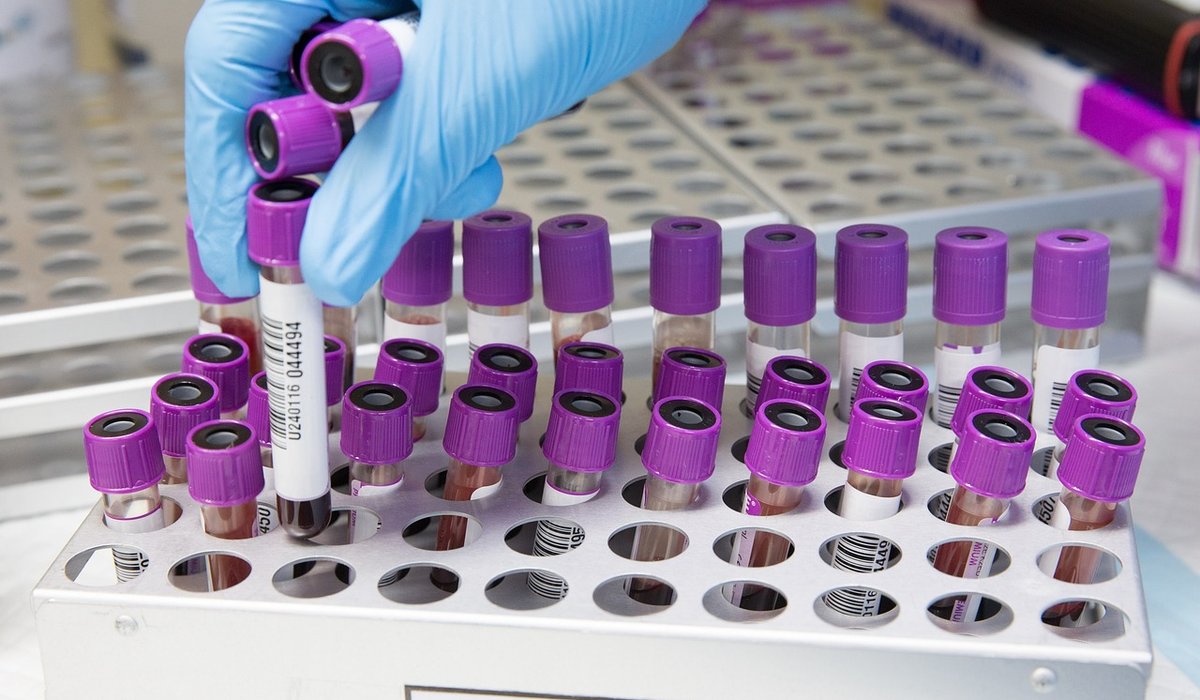
Biomedical scientists are the people behind the results that shape almost every diagnosis in the NHS. A blood sample arrives in the laboratory, and within hours a biomedical scientist has prepared it, run it through analysers and manual techniques, interpreted the findings and flagged anything urgent to a clinician. Roughly 70 per cent of clinical decisions depend on pathology results, so the work carries real weight.
The day-to-day mix varies by discipline, but most roles combine hands-on bench work, quality control, troubleshooting instruments, validating results and maintaining the documentation that underpins accreditation. You will spend as much time at a computer verifying data and writing reports as you will at the bench. Communication matters too: ringing a critical result through to a ward at 3am is a routine part of the job.
Routes Into the Profession
There is no single path, and that flexibility suits people entering at different stages of life.
- IBMS-accredited BSc in Biomedical Science. The traditional route. The degree must be accredited by the Institute of Biomedical Science so that it includes the scientific knowledge needed for registration. Many courses include an integrated placement year in an NHS laboratory, which counts towards your registration portfolio.
- Degree apprenticeship. The healthcare science practitioner and biomedical science apprenticeships let you earn while you train, usually over four to five years, combining academic study with substantial workplace experience. Places are competitive but they remove the tuition-fee barrier.
- Postgraduate conversion. If you already hold a science degree without accreditation, a postgraduate certificate or MSc in Biomedical Science can top up your knowledge, after which you complete the registration portfolio in a laboratory.
- Assistant practitioner or support worker entry. Many people start as a medical laboratory assistant, learn the laboratory, then study part-time. It is a slower route but a well-trodden one.
Registration With the HCPC
To work as a biomedical scientist in the UK and to use the protected title, you must be registered with the Health and Care Professions Council. Registration is not automatic on graduation. You need to demonstrate that you meet the standards of proficiency, and the usual way to do that is the IBMS Registration Training Portfolio, completed in an approved laboratory under the supervision of a registered biomedical scientist.
The portfolio is a structured record of your competence across a defined syllabus, signed off by a training officer and verified by an external examiner. Typical completion takes nine to twelve months of full-time equivalent laboratory work, though it can take longer if you are working shifts or part-time. Once awarded the Certificate of Competence, you apply to the HCPC, pay the registration fee and are then able to practise independently. From that point, continuing professional development becomes a permanent obligation: you will need to re-register every two years and evidence that you have kept your knowledge current.
Choosing a Specialism
Most biomedical scientists specialise after registration. The main disciplines are:
- Clinical biochemistry — hormones, enzymes, toxicology and metabolic testing.
- Haematology — blood counts, coagulation, and the diagnosis of leukaemias and anaemias, often with a strong morphological element under the microscope.
- Medical microbiology and virology — culture, identification and antimicrobial susceptibility testing, with growing use of molecular methods.
- Histopathology — tissue processing and staining, supporting cancer diagnosis.
- Cellular pathology and cytology — cervical screening and fine needle aspirates.
- Immunology and transfusion science — crossmatching, antibody investigation and the safe provision of blood components.
- Genetics and genomics — an expanding field as genomic testing moves into mainstream care.
Large teaching hospitals may offer rotations across several disciplines, which is a good way to find your niche. Specialist portfolios, taught MSc modules and the IBMS Higher Specialist Diploma let you deepen your expertise once you have chosen.
Progression, Pay and Where It Leads
Most newly registered scientists start on Agenda for Change Band 5, broadly in the region of £30,000, rising to Band 6 as a specialist after a few years. Band 7 typically involves section leadership, training responsibility or a specialist clinical role. Bands 8a and above cover laboratory management, advanced practitioner posts and consultant biomedical scientist roles, where you combine clinical expertise with research, service development and teaching. Pay varies across the four nations.
Beyond the bench, experienced scientists move into quality management, health informatics, medical device development, diagnostics research, academic teaching or commercial roles supporting laboratory instrumentation. The analytical rigour and regulatory knowledge you build are highly transferable.
Practical Steps to Get Started
- Check that any degree you consider holds current IBMS accreditation before you apply — this single detail saves years.
- Get laboratory exposure early, even informally. A week shadowing in a hospital pathology department clarifies whether you enjoy the pace and the shift patterns.
- Learn what ISO 15189 means in practice. Quality management is central to the job, not an afterthought.
- Keep a reflective log from day one. It makes the registration portfolio far less painful.
- Join the professional body as a student member for journals, local branch meetings and a network of people who will one day interview you.
The career rewards patience and precision, and there is real satisfaction in knowing that your work sits quietly behind so many diagnoses, treatments and recoveries.


Environmental microbiology relies on careful culture methods. Learn media preparation, incubation conditions and colony counting for water and soil samples.
Full blood counts provide essential diagnostic information. This guide covers red cells, white cells, platelets and common reasons for abnormal findings.
Bioinformatics helps researchers analyse biological data efficiently. Discover sequence alignment, databases and basic scripting skills useful in modern laboratories.
Genetic screening raises important ethical questions for patients and clinicians. Explore consent, confidentiality and counselling within UK clinical genetics services.